Gallery Stories, June 2026: Senior Group Show, WHERE ARE ALL THE BLACK PEOPLE AT/HOW WE SEE IT, Altered States
Discover the stories behind 3 art exhibitions going on in Watertown then go visit the galleries and experience the art yourself! (Images and more details below.)
Released June 19th, 2026
(Click here to listen on streaming apps) (Full transcript below)
Watertown Senior Center Group Show / Watertown Free Public Library / 123 Main St, Watertown / On View Through June 30th, 2026
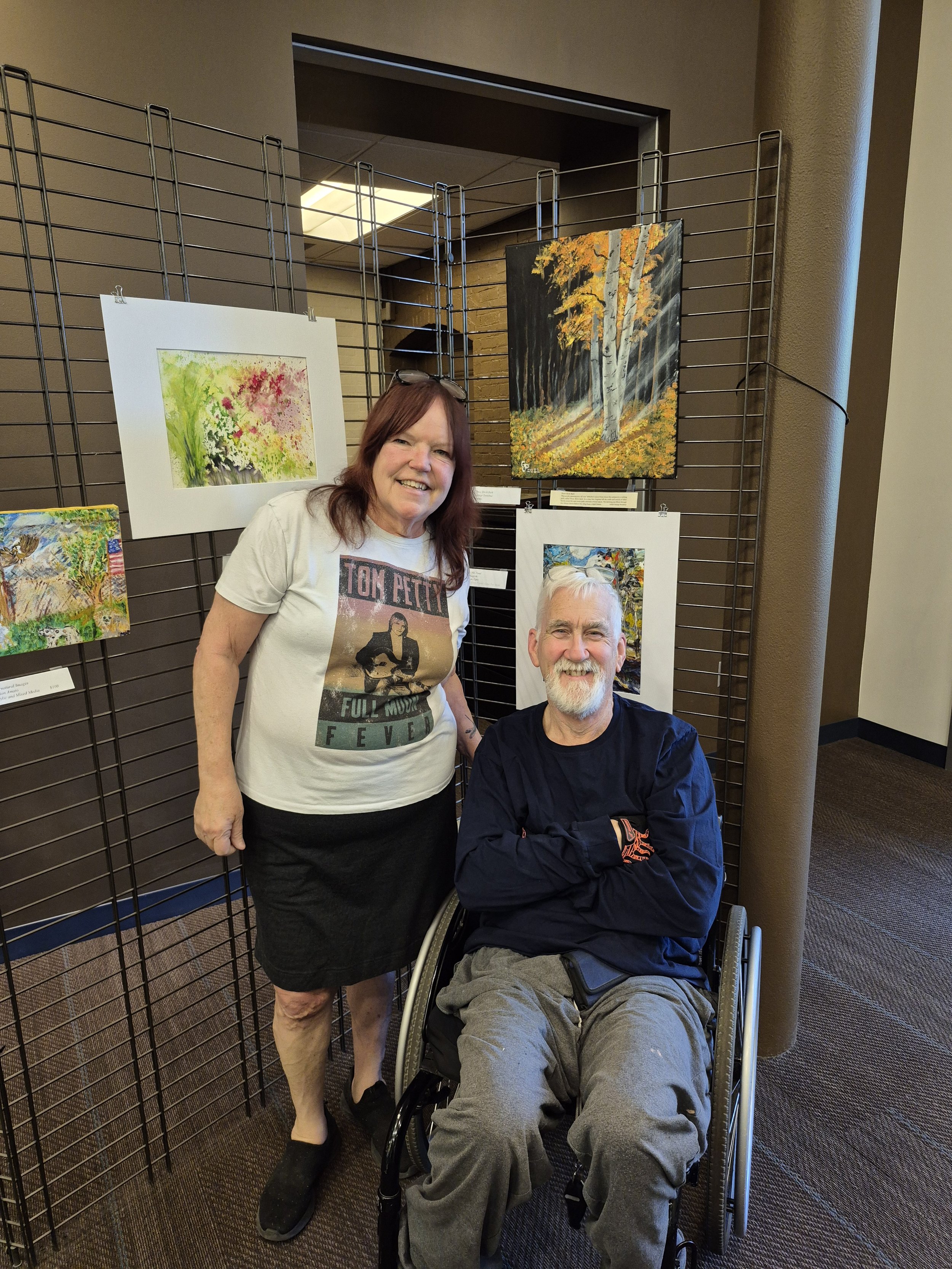
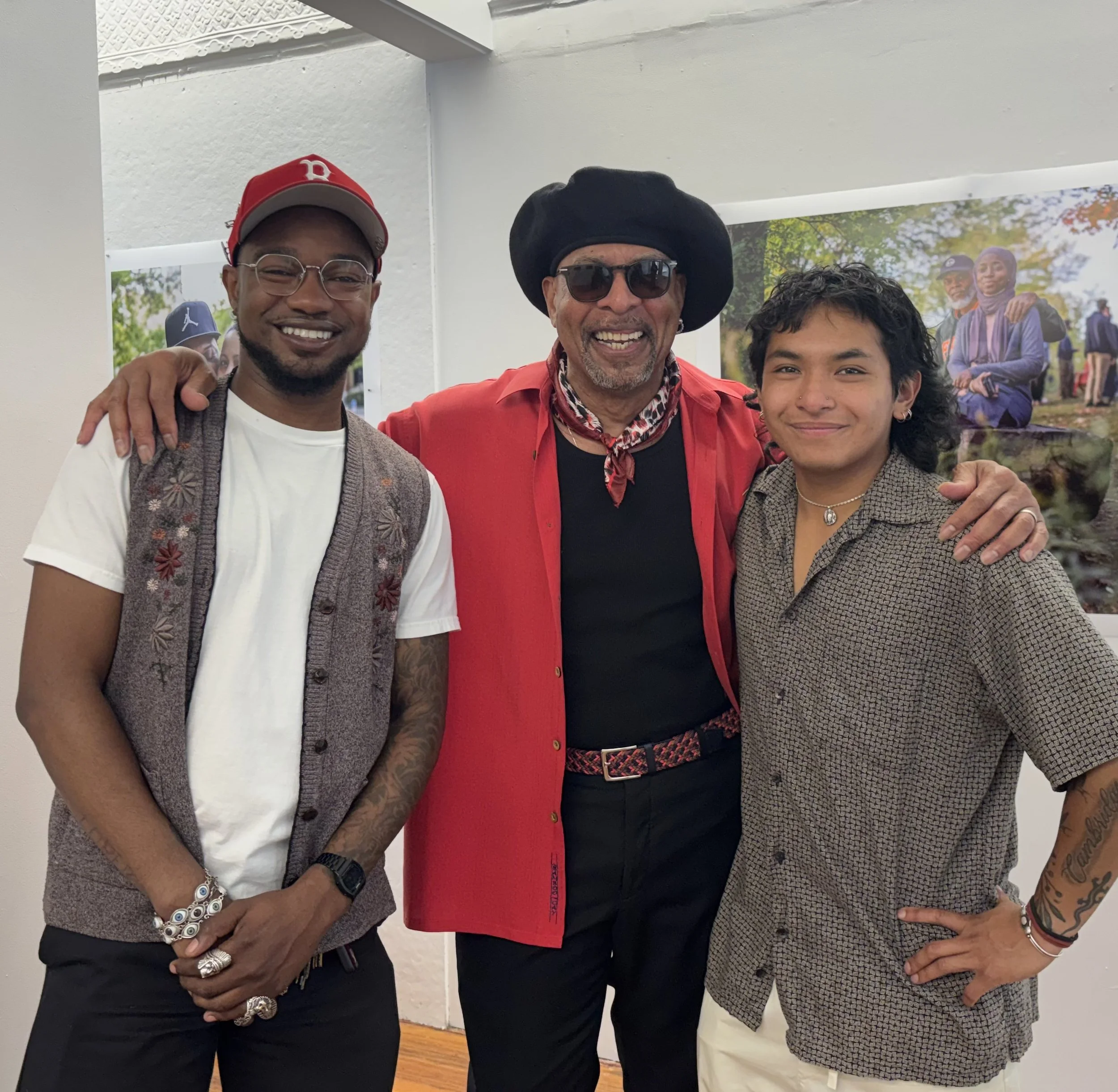
Pictured: Dawn Evans Scaltreto and George Donohue
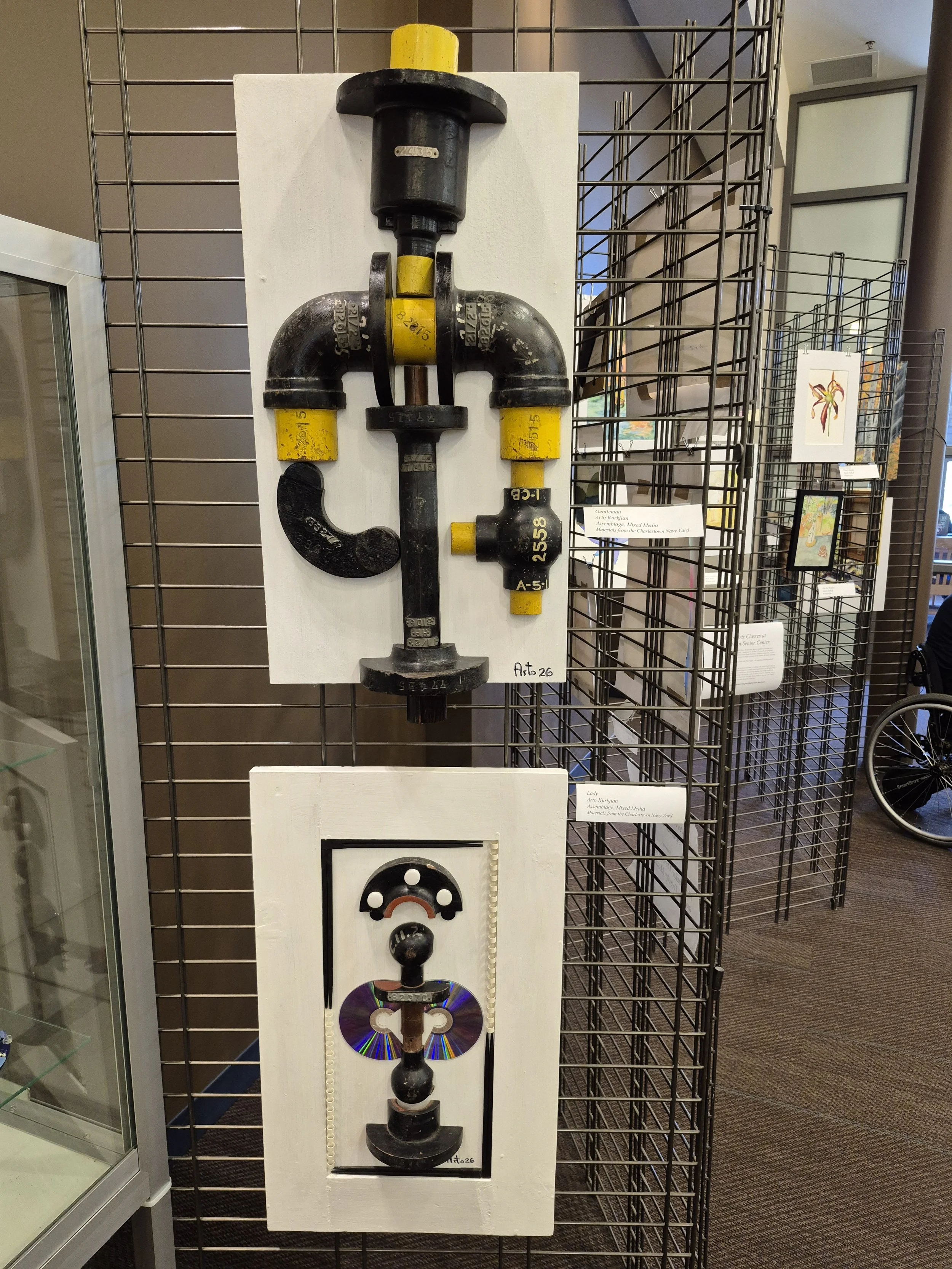
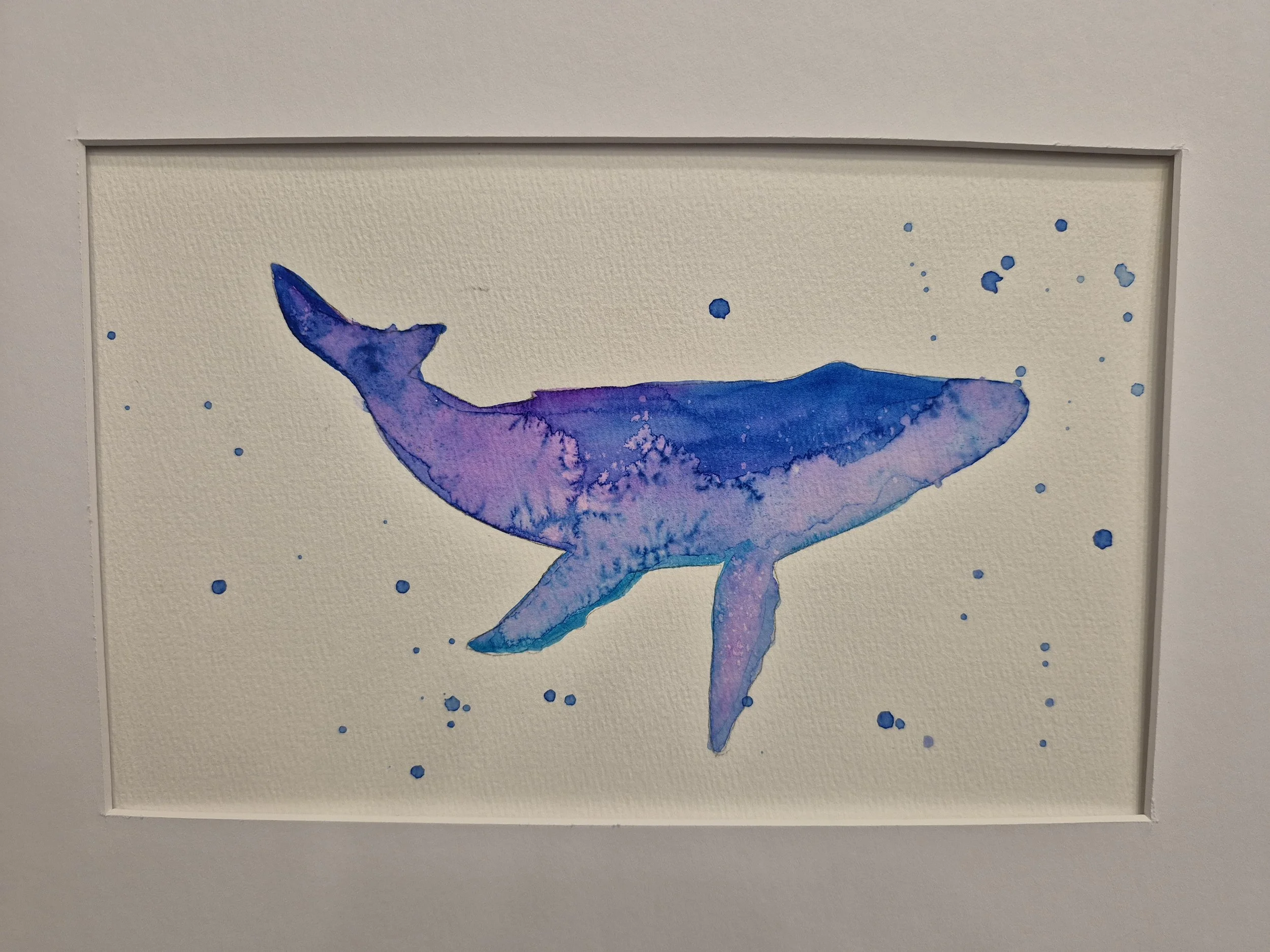
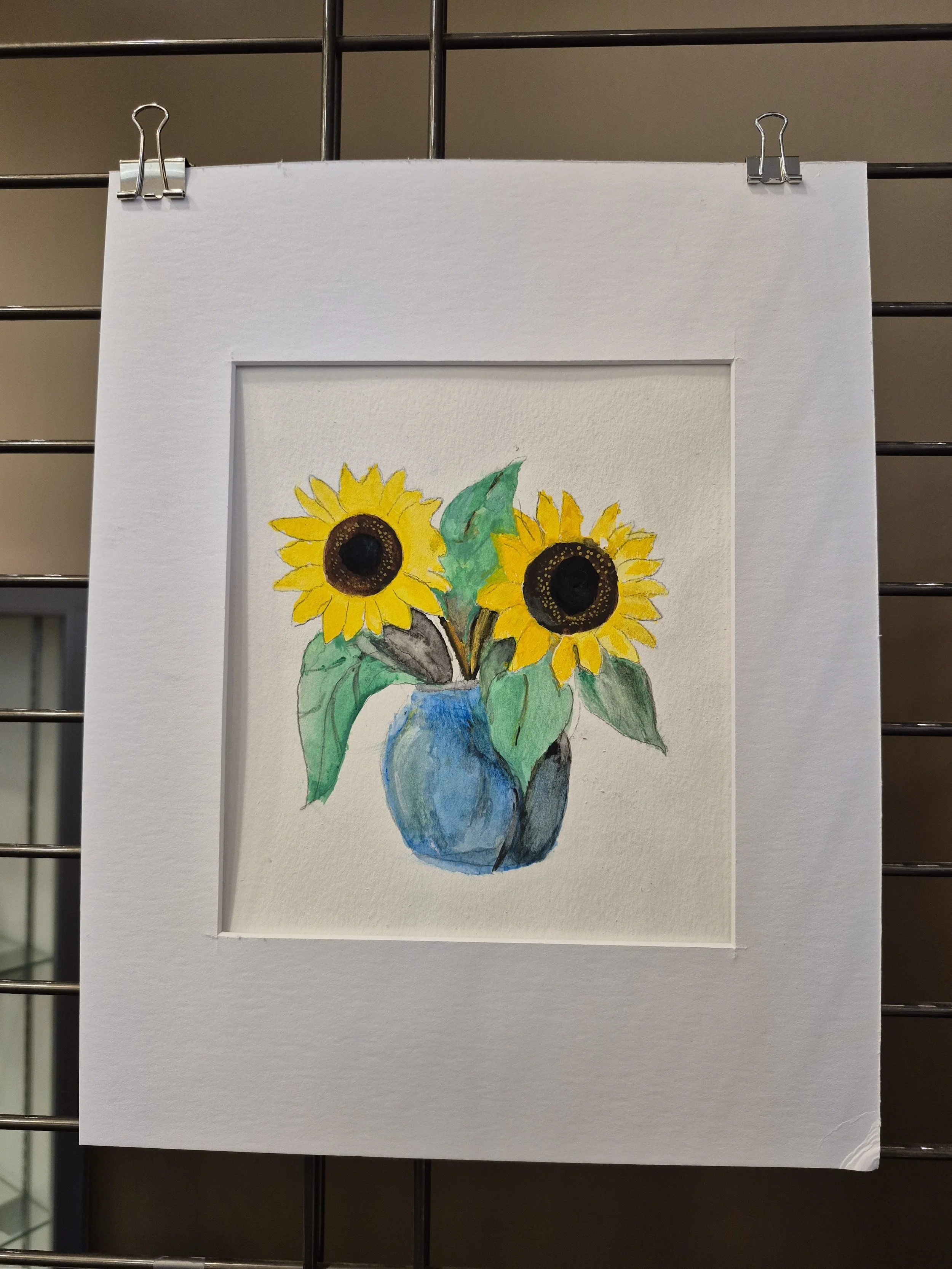
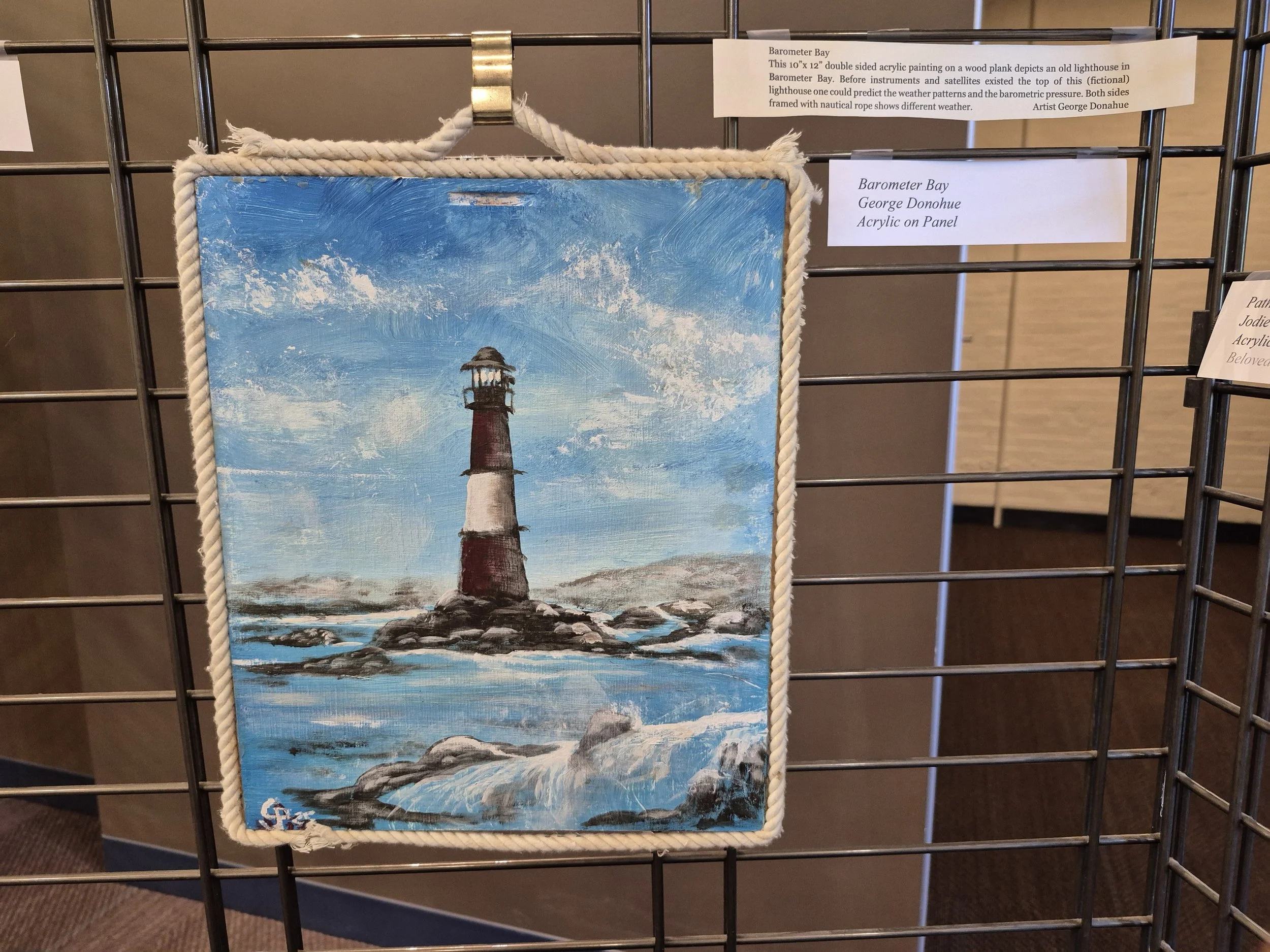
Images Below: 1. Gentleman and Lady by Arto Kurkjian, 2. Baja Bound by Mary Rose, 3. Smiley Vase by Andy Califut, 4. Barometer Bay by George Donohue
WHERE ARE ALL THE BLACK PEOPLE AT presents HOW WE SEE IT / Storefront Art Projects / 83 Spring St, Watertown / On View Through July 11th, 2026
Pictured: Jules Cleophat, Archy LaSalle, Carlos Paronis
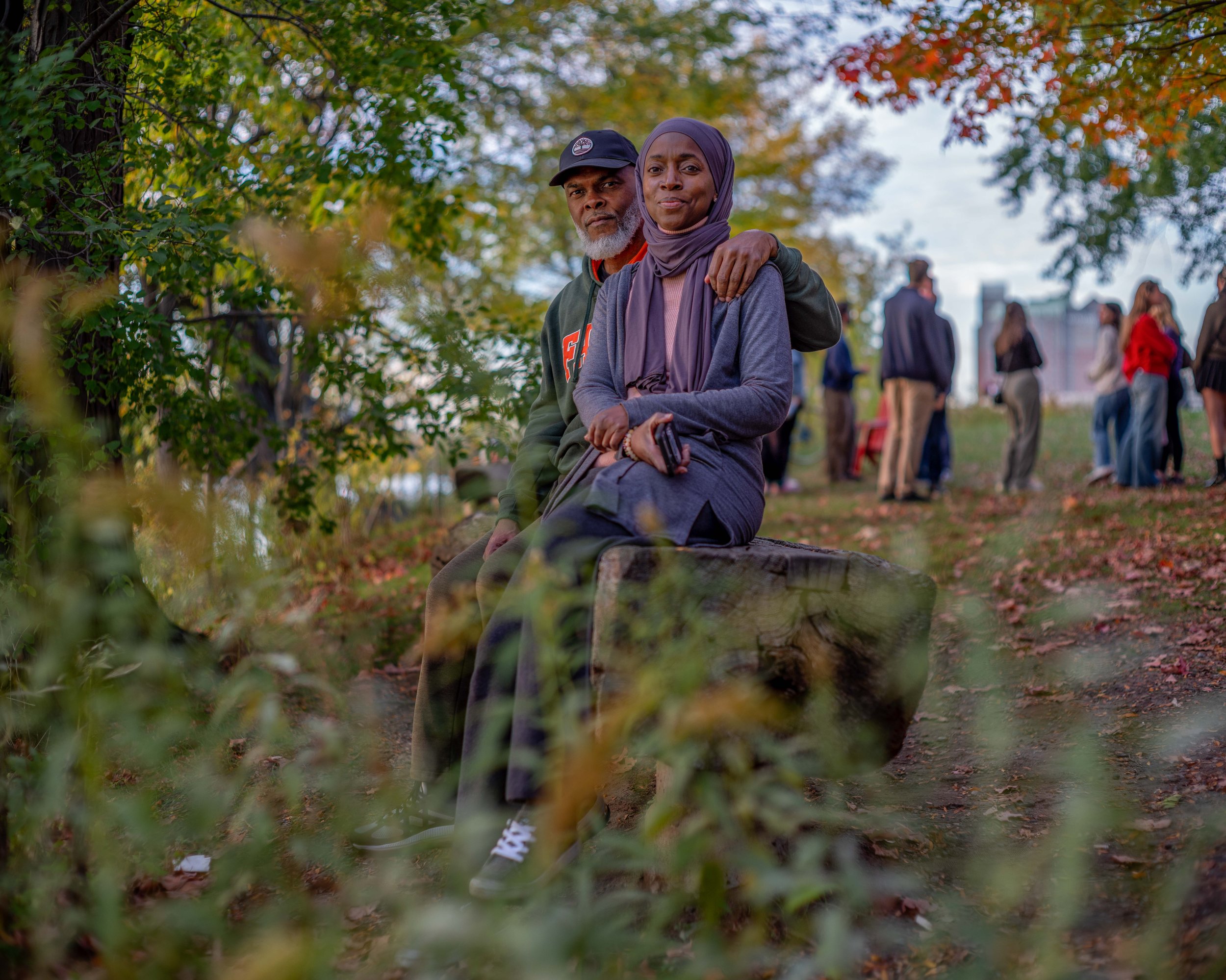
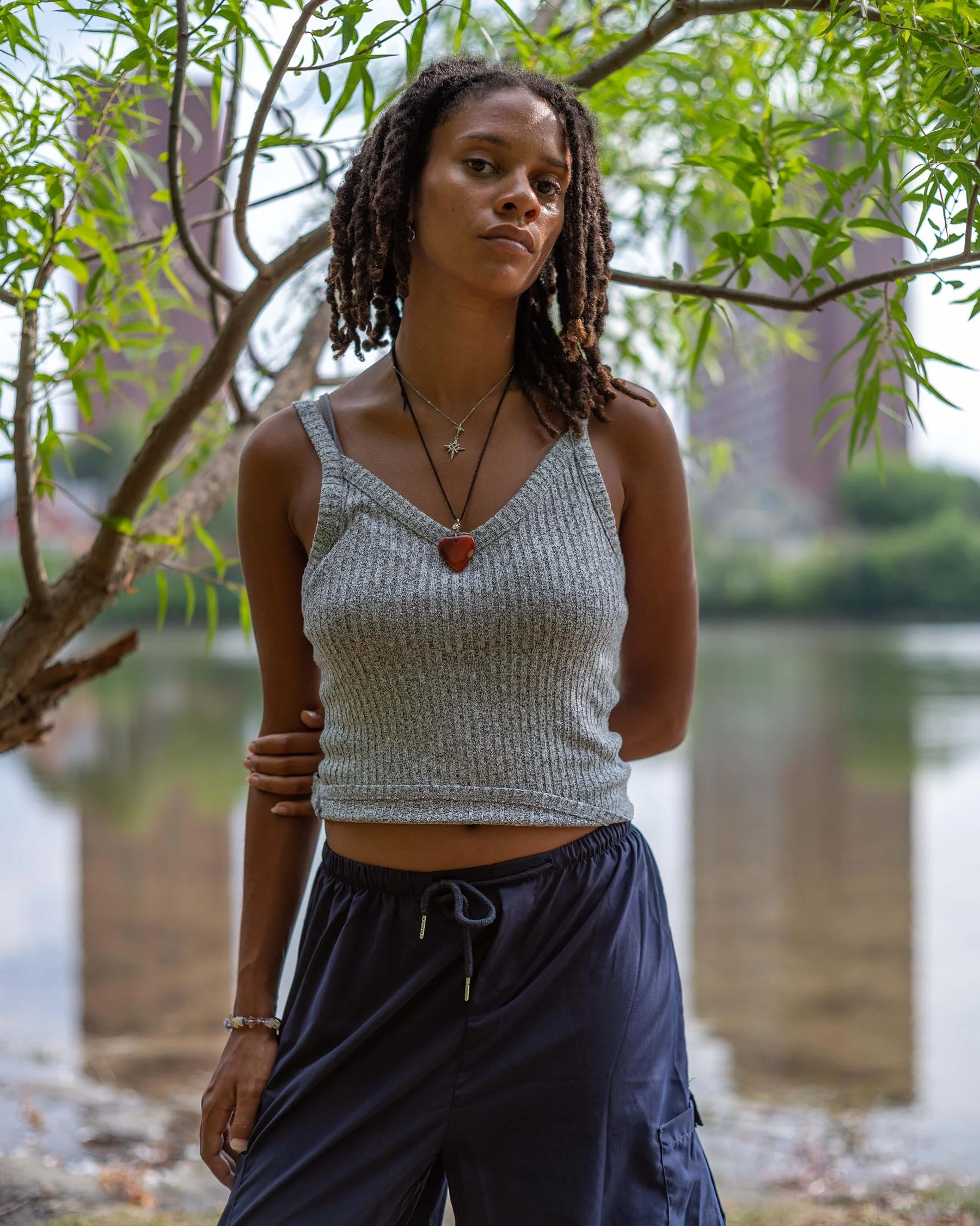
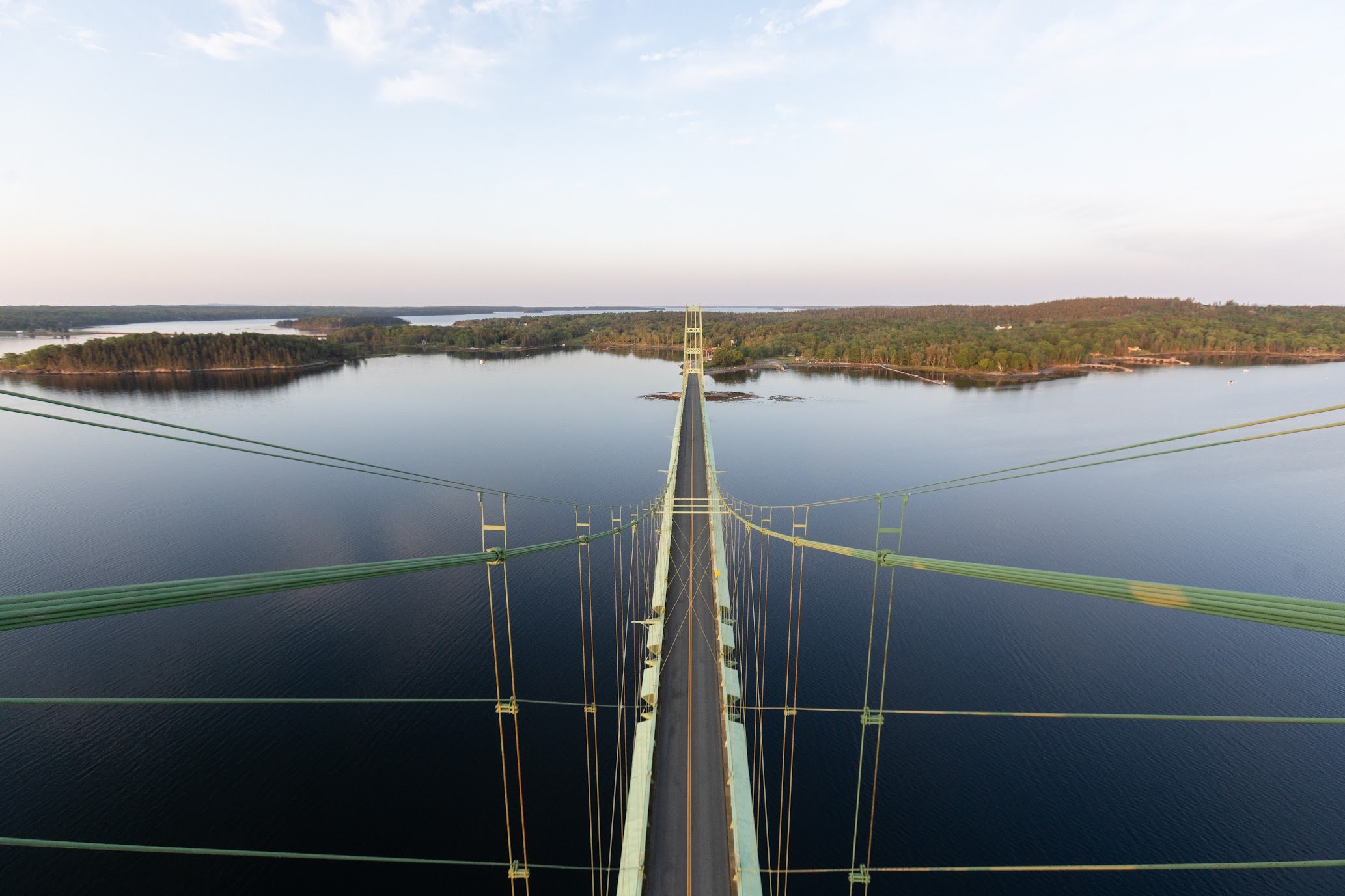
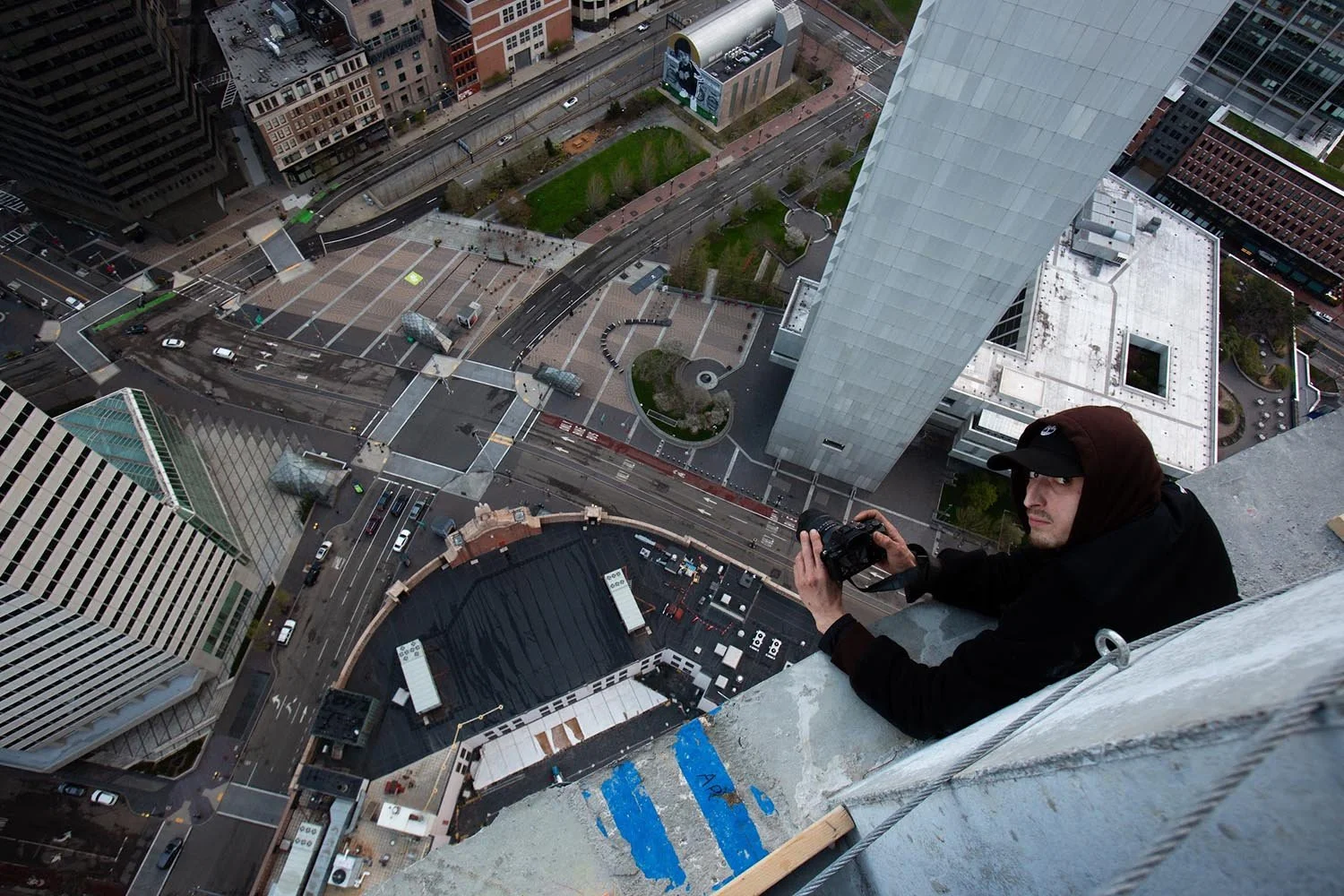
Images Below: 1/2 Photographs by Carlos Paronis, 3/4 Photographs by Jules Cleophat
Altered States: Transformation in Art / Mosesian Center for the Arts / 321 Arsenal St, Watertown / On View Through June 26th, 2026
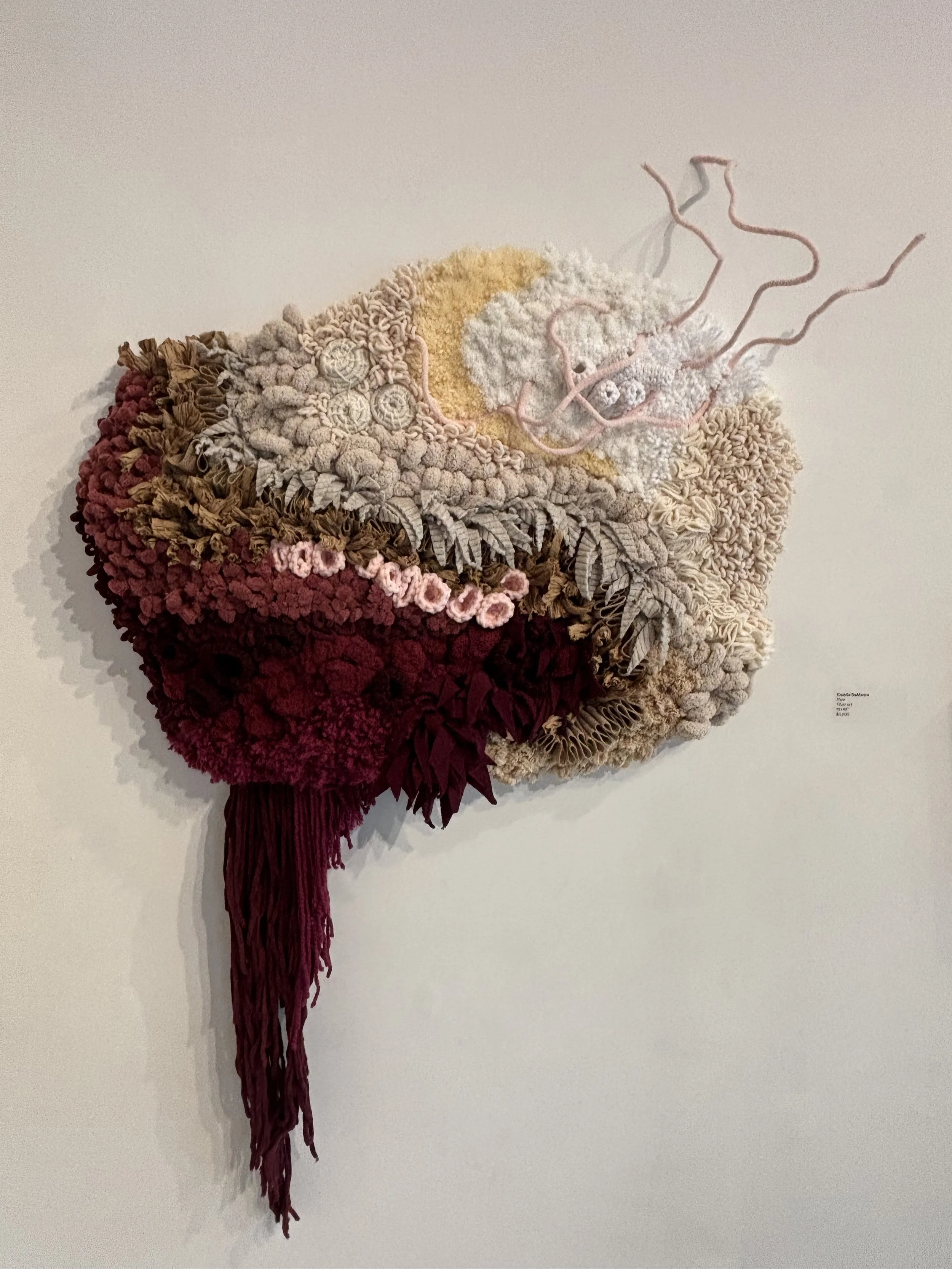
Image Left: Flow by Camille DeMarco
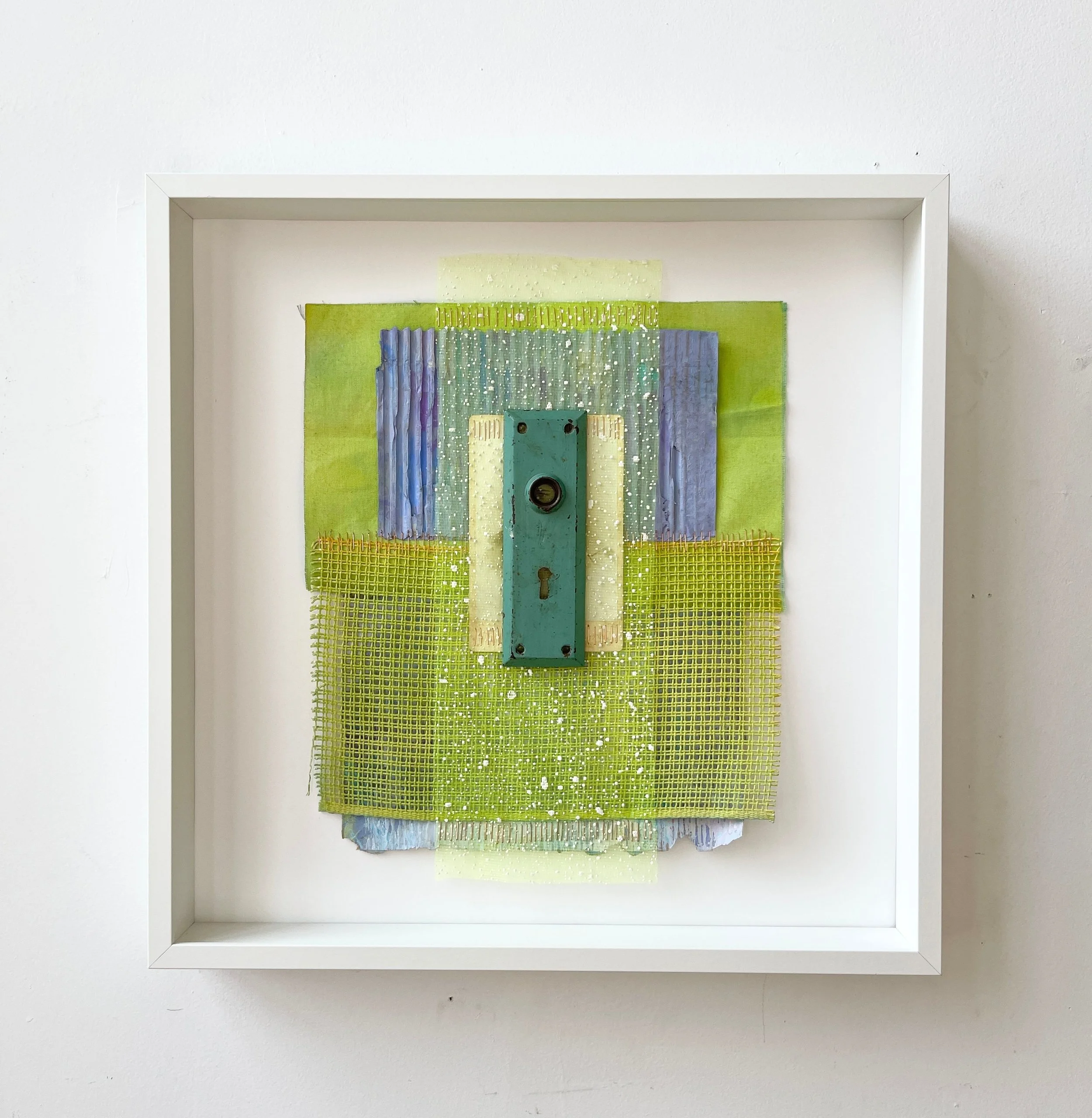
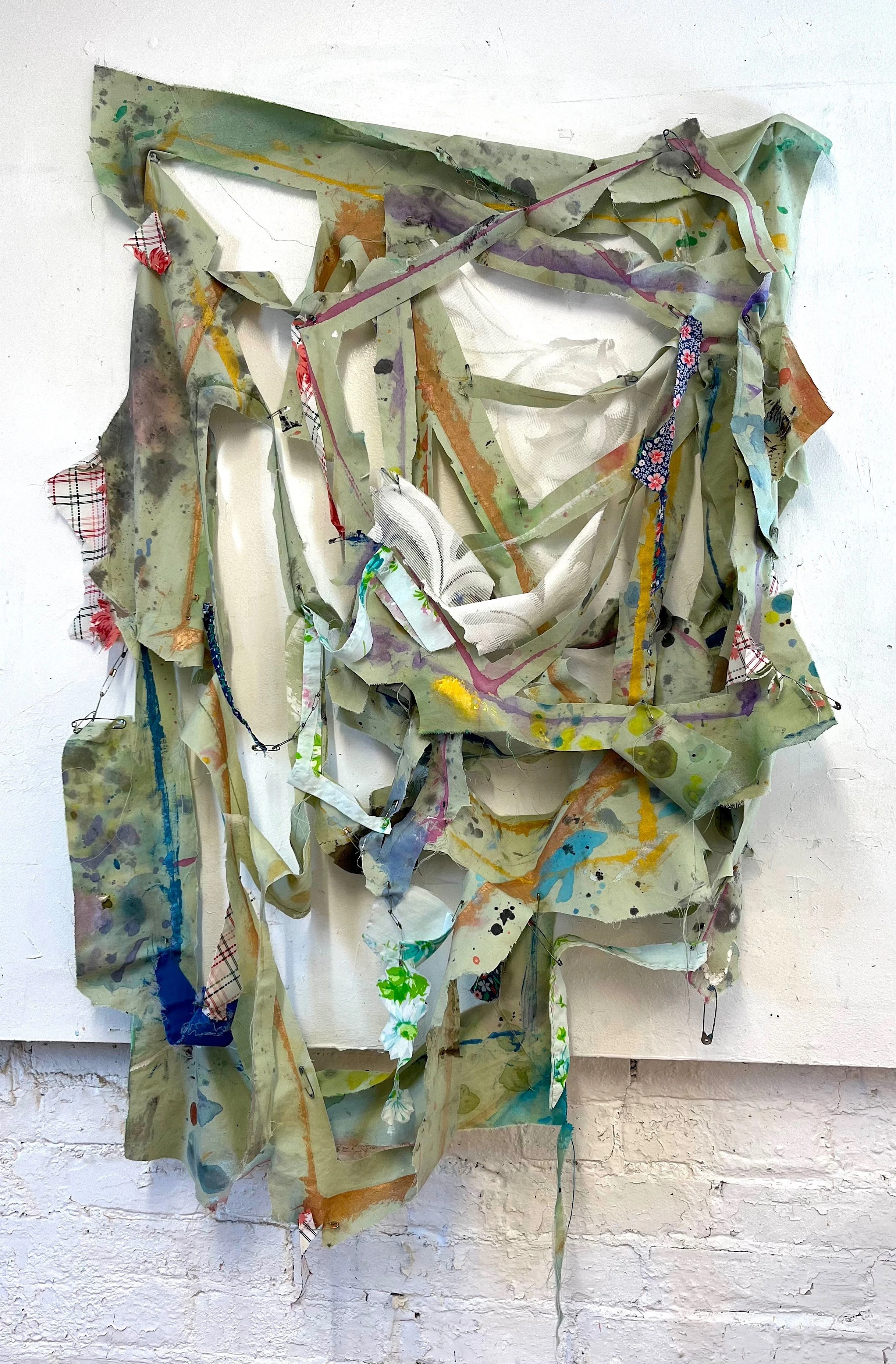
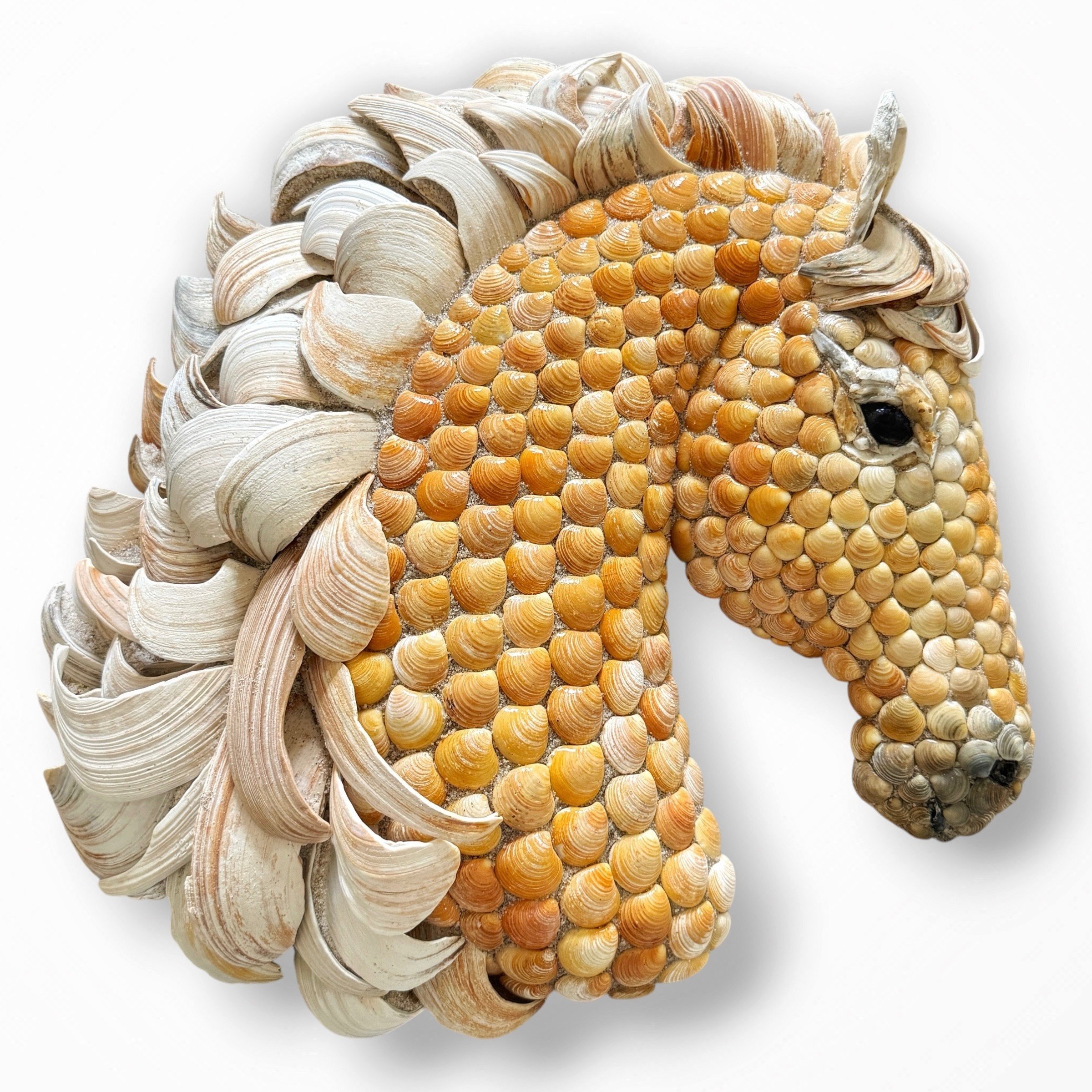
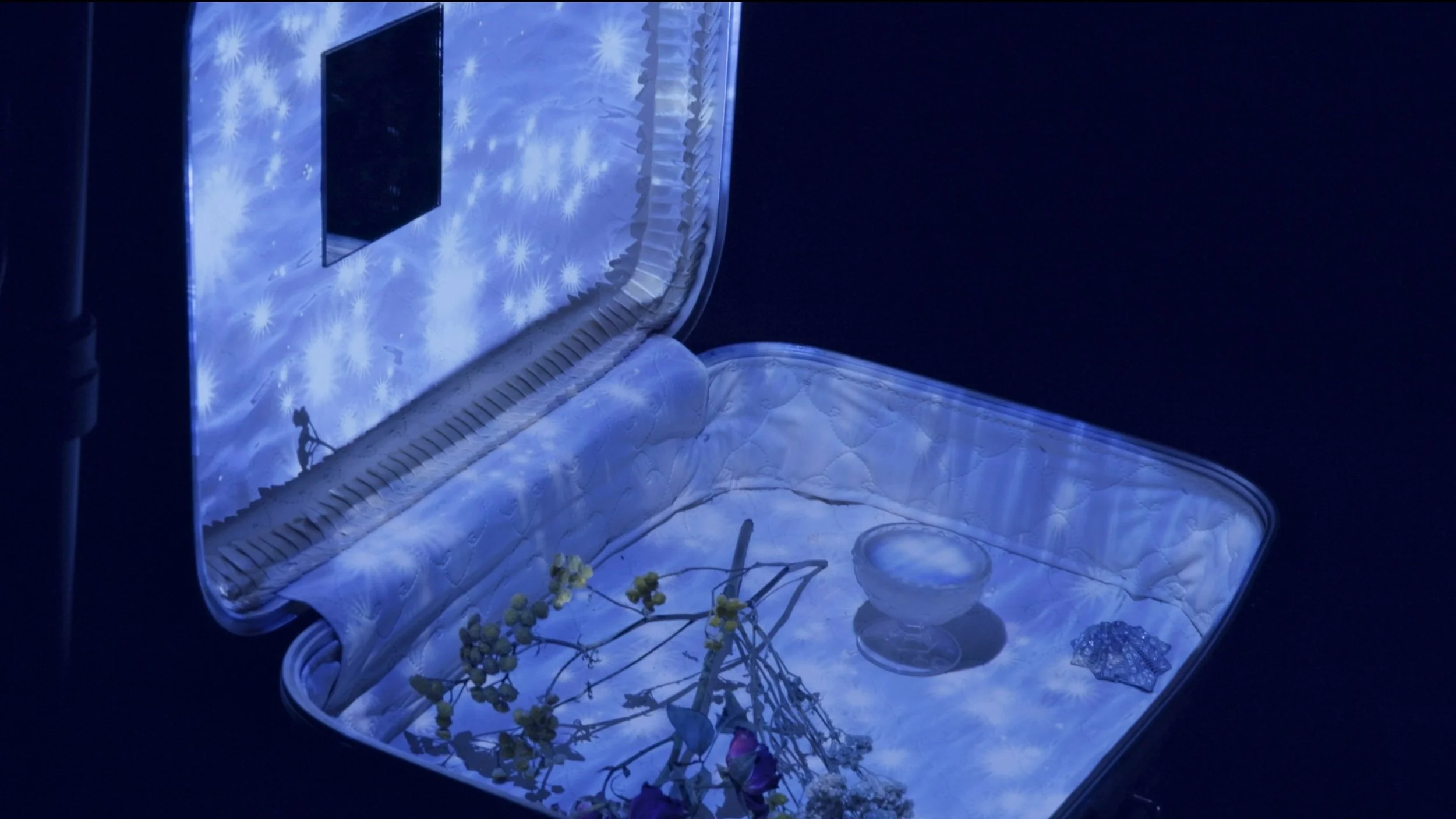
Images Below: 1. Assemblage No. 4 by Heather Carroll, 2. Safety Skins by Erin Palazzolo–Loparo, 3. Trojan by Anna Chan, 4. To Talk to You by Megan Hyde
Sign up for the Little Local Conversations email newsletter to know when new episodes are out and keep up on everything Little Local Conversations.
Thanks to podcast promotional partner the Watertown Business Coalition, a nonprofit organization focused on connecting local businesses and strengthening our community. Find out more at watertownbusinesscoalition.com.
Thanks to promotional partner Watertown News, a Watertown-focused online newspaper. Check that out at watertownmanews.com.

This program is supported in part by a grant from the Watertown Cultural Council, a local agency which is supported by the Mass Cultural Council, a state agency.
Transcript
Matt 0:02
Hi there. Welcome to the Little Local Conversations Podcast. I'm your host, Matt Hanna. Every episode I sit down for a conversation to discover the people, places, stories, and ideas of Watertown. This episode is a Gallery Stories episode where I go around to a few of the places that have art exhibitions up this month that are free for people to come by and visit. So I got a few stories from the people behind the shows. And as you're listening, keep in mind that I'll have links in the show notes where you can click through to the galleries for more information. And also on the website, LittleLocalConversations.com, if you're listening to this on a streaming service, you can go to the website where you'll be able to see pictures of some of the art that we're talking about. All right, so let's dive in with the first gallery.
Matt 0:45
I'm here at the Watertown Free Public Library on the second floor at the T. Ross Kelly Family Gallery. And we have a special show this month. And I'm here with Dawn, who is going to introduce herself and a little bit about this show.
Dawn 0:58
Hi, I'm Dawn Evans Scaltreto, and I am the Watertown Senior Center art instructor. Over 30 years, I've had a class at the Watertown Senior Center on Monday mornings. We meet from 10 to 12. And it's artists at all levels working in any media that they are interested in. And I show off different things. Like today, for instance, I was showing gouache, which is a different medium that sometimes people maybe haven't heard of or know that much about. It's a type of opaque watercolor. So I do that throughout the year from September through June. So I'm getting ready to break for the summer. Although the students, many of them still come during the summer and do painting together. They've formed a great little art community. So it really is a great way to give back to do the show here at the Watertown Free Public Library. And so many people come through. I've already heard four or five different people say how much they love the show. And I'm very excited to present that for my artists.
Matt 1:57
And how many, do you know roughly how many artists we have showing in this show?
Dawn 2:01
Oh, you're putting me on the spot. I'm not sure. I probably get about 12 from my class, and then we've got a handful more that are here with Rita Foglia's mosaics class that she has not every Tuesday, but on certain Tuesdays. She brings all the materials and they create lots of cool stuff. So those are in the case right now.
Matt 2:21
Nice. And this show is up until the very end of the month, the full month of June.
Dawn 2:25
That's correct. It's here for the full month. Yep.
Matt 2:27
And you have an opening reception coming up.
Dawn 2:29
Yes, yeah. We're having an opening reception on Wednesday, the 24th of June, from 12 to 2 p.m. And you'll have a chance to have some refreshments and get to meet the artists and hear some of the stories behind their beautiful artworks.
Matt 2:42
Excellent. So why don't we pass it down the line? Who wants to be? Awesome. So I'm gonna walk over with our first artist who is here. So do you want to just introduce yourself? And you have a couple pieces here, so you want to explain it a little bit for people who are listening as best as we can visually, you know?
Arto 2:58
Sure, sure. Yeah, my name is Arto Kurkjian, and I lived in Watertown so many years now. I live in Belmont and practiced architecture for about 40 years and retired about three, four years ago, and wanted to continue relating to architecture. Art got my interest and I found the class. And I also wanted to, reusing the existing materials to put together making the art piece. And the two pieces I have, actually I have, Dawn allowed me, another two watercolor pieces. But these were some wood Charleston Navy yard molds that I had during the 90s that I found in a Navy yard and wanted to put together as two pieces to describe what I thought they could be. Find the new use of the old pieces of wood. These are 1920s, and I use some mixed media, some CDs and binders and chopsticks and things of that nature to put it together.
Matt 4:02
Nice. Yeah, so people listening, it almost looks like pipes split in half and put onto a wooden frame. And one is called Gentleman and one is called Lady, so they're supposed to, I think, make you think of these been personalized pieces of art.
Arto 4:15
That’s right. Yeah, yeah.
Matt 4:17
And do you want to just say one thing you enjoy about this class?
Arto 4:20
Oh, I always want to keep coming back because I met so many nice people and I really have contacts with Watertown. I love the town. They're very interested in art, especially the Mosesian Art Center in Watertown that I also did exhibit there. It's a great, great town. I wish I'd come back to live here too, actually. I love it so much. I'm always here.
Matt 4:46
Nice. You're still local enough. Yeah. Well, thank you for sharing. All right, so next artist up. You wanna introduce yourself?
Mary 4:54
So my name is Mary. I have only been in Watertown for about four years now. Came from the West Coast, the other coast, and I used to be a financial advisor. So I had no background in art, just none. But always wanted to. So this was an opportunity at the senior center to go and experiment with the art. And at first I go, Oh, I don't want to go to the senior center. I'm not that old, you know, I don't want to go. And then a friend of mine was in the class and she goes, Mary, you've got to come. We have a lot of fun. We're talking all the time, we experiment with different things. So I said, okay, I did. Ever since I've came for about a year now, I've really been hooked. So I like to experiment with the art, different types of things. And Dawn gives us ideas about how to do things. So I find that my art tends to be well, I've got a humpback whale that's titled Baja Bound. So I have a tendency to go back and relive or see some of the things that I used to love on the West Coast. But I'm enjoying Watertown so much. Great place to live. My son, daughter-in-law, two grandkids live here. So it's just great. But this allows me to meet more people in Watertown and have great conversations too. It's a fun place to be. I always save that time slot on my calendar for the art.
Matt 6:09
Awesome. Well, thank you. Awesome. I'll work our way down. All right. So where's your piece?
Andy 6:14
My piece is over here. I'm Andy Califut, and I've been in the art course maybe a year and a half. This is my piece. And one thing that I found by taking Dawn's course, because I'm not really an artist, I've never done much of this at all, is that painting is a lot harder than you think. And I was kind of slow with my paintings. So it took me a long time to do that. And it just kind of came together. Like I say, I don't have a lot of experience in painting. So when I painted this, it's like, oh, I had the light coming in a certain way and it's three-dimensional. I thought, oh, how'd I do that? Well, let's not worry about that. Let's go on.
Matt 6:55
For listeners, we're looking at it's a still life of a pot of sunflowers that we're looking at that he's drawn here.
Andy 7:03
Yeah, and that's done from tracing a picture, which a lot of people do in the class. When I started the class, I thought, oh, I don't want to trace somebody else's picture. You know, I want to do my own thing. So I tried to draw a beach scene. I got the water pretty well, but my rocks, people would say they looked like a potato. So I thought, no, we can't do this all at once. You have to start somewhere. So you trace a picture and then you paint it. So yeah, I took the class because I got into doing greeting cards and people seemed to like, like birthday cards just for my family or a friend. And I thought, well, maybe if I could do some drawing, I could expand the way I do my cards graphic and do some illustrations, but I haven't gotten to that point yet. So that's basically my story of trying to be an artist. I've got a long ways to go, but the class is great. Dawn is great, the people are great in the class. It's fun to come to this class because there's a lot of really good artists and they're interesting people. So it's a very lively and energetic class.
Matt 8:10
Nice. Well, thank you for sharing your story and for being part of this exhibit. All right. And last but not least.
George 8:15
My name's George Donohue. My grandparents had a house on Main Street. My mother grew up there, and I lived there for many years. And then I came back and then I did a cable show here. And then when I came back again, Dawn said, Coming to the art class? I was like, oh, I'll see what I can make. Come to the art class. Come to the art class. So I started coming to the art class, and I learned a lot from all the other people. It's like, I don't know what medium is this, what medium is that? What medium is this? And Dawn turned to me and she says, Acrylics, why don't you use watercolor? I'm gonna bring you to the dark side. And that's what she said. So I started playing around with watercolor. But I use wood boards, cigar boxes, wood panels, unframed canvas.
Matt 9:03
Yeah, so you have a handful here in this show kind of spread around. We were just looking at them. Is there any one that has a particular story behind it that you enjoyed?
George 9:12
My wife loves birch trees, so I painted birch trees at the edge of the woods with some foliage. She loves birch trees. And then I do a lot of paintings with lighthouses. So the wood panel with the lighthouse, there's two sides to it. One's on a good day, and you flip it over, it's on a stormy day. So I'm at home, my wife turns it around when we're having a stormy day. As far as the watercolor pencils, I found something that looked like Thelma and Louise retired.
Matt 9:41
They look like punks.
George 9:42
Yeah, it looks like punks. So I added all the colors and everything and used the watercolor pencil. So I'm learning with that because I have muscular dystrophy and I lost my fingertips over the years, the feeling. So I drop paintbrushes all over the house. So when I go to the art class, I have to bring a bunch of stuff with me. And cigar boxes, I probably have painted 30 cigar boxes. I had a friend of mine who used to give me cigar boxes. Hey, paint something on this. And then I worked at Home Depot for 23 years, and everybody would bring me their aprons, and I used to do paintings on the aprons.
Matt 10:13
So whatever's available, you're painting on it.
George 10:17
Exactly. Exactly.
Matt 10:18
Yeah. What are your thoughts on this class?
George 10:21
Oh, I love the class. I just want to learn more and learn more. It's like every time I go in there, Dawn's saying, You gotta know how to use squash. I said, I don't know what squash is. Gouache. I said, okay, I'll learn that one next. And she's teaching me how to, you know, blot watercolor and let it run and use salt to make the waves. There's one beautiful painting over here that has salt on it. And then there’s more to come. I probably have a book of all different watercolors I've done, but not bringing those in yet.
Matt 10:51
Cool. Well, thanks for sharing your art here and sharing your thoughts too.
Matt 10:56
Dawn, do you want to talk about how like some of these came about? So some of these are their own people's ideas, but some of these sounds like you were pushing people to do different techniques and stuff. How do you go about that?
Dawn 11:06
Well, I'm always pushing people to get outside their comfort zones. And I found that in the many years I've been teaching that it's more about the process, what we do in my class, than it is about the outcome. And that when they focus on the process and are enjoying the journey, that's when the things come out the best. But I also pointed out to George that he recently had some surgery and he didn't want to bring all his paints to class. And I said, Well, that's okay. Just come to class anyway, because it's not, it's not only about creating the artwork. It's also about coming and socializing with your art friends. And they really do enjoy socializing a lot together. And I'm constantly amazed at how supportive and wonderful they are and critiquing each other's work and encouraging each other to try something new. I'm constantly amazed at the cool stuff that comes out of my classes. And it's not just about your final product, it's a lot about the journey to get there.
Matt 12:04
Right. Maybe I guess we should say if people want to find out about the classes, where should they go to find the classes?
Dawn 12:10
Well, they're all listed in the Watertown Senior Center newsletter that comes out every month. So it will tell you what exactly is going on there. And even though I break, the 22nd is my last day until fall, the class will still go on and people will still be hanging out and doing artwork. But there are lots of other arts classes that happen at the senior center. We've got the mosaics class with Rita Foglia. We have actually coming up drawing with Fred Grandinetti. He's an interesting guy that loves Popeye, but he does a lot of other cartoon characters, Snoopy and Betty Boop and stuff, and shows people how to bring those old timey cartoons right to life. We've got Ernie Brodnelli who does floral arranging with students, and Pam Vershbow that does stamping. And one of my good friends, Arlene Smith, she's been doing many classes in Watertown for many years. She comes and does an arts and crafts class and she brings all the supplies. So no experience necessary, just show up and you'll start building your own art tribe that I think, especially in this world that we have right now, there's so many stressors out there that we're all kind of struggling to make ends meet. We're all struggling to pay for gas. We're all stressed out. It's a lot coming down the pike at us all the time. And when we get in an art class, it just takes all that noise away. You're floating like a leaf on the breeze, and you're with your favorite people. It really makes a big difference.
Matt 13:45
Great. Well, thanks for helping enable that in our community, Dawn.
Dawn 13:48
I'm so happy to do that.
Matt 13:51
That's it for my chat with Dawn and some of the artists at the Senior Center show that is now up at the Watertown Free Public Library. Again, on the second floor, the T. Ross Kelly Family Gallery, which is behind the reference desk. The show is up through the end of June. And they have their opening reception on Wednesday, June 24th from 12 to 2 p.m. The library is at 123 Main Street here in Watertown.
Matt 14:14
I'm here today in the Storefront gallery. And this is someplace I've been before. But Ellen, do you want to introduce yourself, for people who have not listened before to one of these episodes, a little bit about what you got going on here and what you have going on specifically now.
Ellen 14:28
Sure. The gallery's name is Storefront Art Projects. We're at 83 Spring Street in beautiful downtown Watertown. And what we have right now is a show called WHERE ARE ALL THE BLACK PEOPLE AT presenting HOW WE SEE IT. And it's curated by Archy LaSalle. A couple of years ago at the library, Archy ran a panel with nine artists, and it was called WHERE ARE ALL THE BLACK ARTISTS AT. And there were nine artists from all around Boston who did film, murals, video, dance, painting, all kinds of arts. And nobody knew these kids. They were, I mean, 20s, 30s, 40s, but they had been students of yours. But discovering that there's this whole range of people all over town that we never see their work. And I went up to Archy afterward. We have a friend in common, and I said, You know Rusty Crump. I know Rusty Crump. And I have a gallery.
Ellen 15:22
And so a year later, I think it's a year later, we've got the plans worked out and two people to come and be in this show. They're both photographers. They're wonderful photographers. Archy will talk more about their work, but Jules Cleophat does amazing panoramic views from sky-high locations that he climbs to. And he's got stories. And Carlos Paronis is taking amazing, almost life size or larger than life size portraits of friends and family who all showed up to the opening, which was wonderful to see everybody that you knew from the photographs. The show is up now until July 11th, Saturday, July 11th. We're open Thursdays and Saturdays, one to four. Come on over.
Matt 16:09
Yeah, I'll come back to you at the end too to wrap it up. But all right, so now we're here with Archy LaSalle, who is a Watertown and beyond legend in the art scene here. But yeah, you've done so much in the area for the arts, and it's great to see you doing something here in Watertown at this gallery here. So why don't you tell me a little bit about how this show came about and what's your connection with these artists?
Archy 16:33
Wow. Well, as Ellen said, she came out to our panel discussion at the Watertown, I always like saying Pigsgusset first and foremost, Pigsgusset Land, because that's the indigenous name of this land that we're on. And it's the Watertown Free Public Library. But I always start out by saying Pigsgusset because I think it's important. It's very important to let people know that there was others here very prominent before it changed to Watertown. So I'll leave that at that.
Archy 17:10
So Ellen came out and she presented the gallery. I was really quite surprised because I had never recognized the gallery, meaning that I've gone up and down Spring Street dozens of times over the 21 years that I've lived here, but I didn't know about the gallery. And we communicated back and forth about having an exhibition. And I'm trying to think what would be a good combination to put forth for the public and to give the artists an opportunity to show their work. And on that particular panel at the library, it says where are all the Black people at, but we work with all artists, Asian artists, Russian artists, Mexican, Chinese, Black, Caribbean artists.
Archy 18:00
And this particular show, Carlos, I met Carlos when he was 14. He's now 23. He was a ninth grader in my classroom, in my photography class at Cambridge Rindge and Latin. And I met Jules through one of my former students as well. And that would be Brennan Carmini. He introduced me to Jules, and I saw the work that they were doing. It was just amazing. As far as Jules, you wouldn't necessarily expect, in today's world, the way people view artists and all, you wouldn't expect to see this type of work from a Black artist. But these folks, they climb, and I guess you could be arrested, you could injure yourself, you could die, all of these things.
Matt 18:42
Do you want to describe the work a little bit here for people who are listening?
Archy 18:46
Oh, the work is, I would say it's all around. They go anywhere from Australia to climb, they go to Milano, they go to Chicago and Philadelphia, New York, of course, but the majority of the work here is Boston and Maine. So they would be up 30, 40 stories high climbing and take these incredible views of both landscape and also architecture. I mean, hanging by a thread, a person could be holding someone's arm and they're leaning over outside of a window. They could be on a ledge and no safety equipment or gear whatsoever. And they take these particular photographs. And one of the things that I'm really excited about when they're working in the tunnels, they light the tunnels. They bring battery packs and different lights so they can light it and get different effects of things of that nature.
Matt 19:44
Do you know where he came up with this idea for doing this? Like how did this come about for him?
Archy 19:48
It's a whole group of we call them climbers, but it's the adrenaline rush to do some of this. I mean, this has been going on for a few decades now. And like Jules is 28, and he's getting a little older to be doing this kind of work. And he's also a guidance counselor at the Somerville High School and so he has to be really careful. He doesn't want his students going out and necessarily doing some of this. So that's a fine line. But one of the things that this particular group that I know and work with, people ask, have they ever been arrested? And the word on the street is no convictions. There's been a few injuries and what have you.
Archy 20:35
But I just love talking with the different artists and just seeing the passion in their eyes and the commitment to go out and do work like Robert Frank, go out and do work like Eugene Atget, Harry Callahan, Gordon Parks, Roy DeCarava. You know, you name it and you see that threat, not just Black and Brown artists, but artists, period. Leave the culture out, leave the Black and Brown out, leave all of that out, and just come out and look at what's on the wall and appreciate that. And I'm really thankful to Ellen to give us this opportunity, and especially these young artists. I mean, you should have seen it the afternoon of the opening to watch them go around and talk to a small group that had questions, and you could just feel their excitement to be able to discuss this. I love the fact that the juxtaposition between the two artists. They have the people and some of the people came out and engaged in conversation with people that came out to the opening as well. And then you have Jules' work, which is quiet in a way, but it has you on edge. It's sort of like an Alfred Hitchcock movie, Vertigo, I would say.
Archy 22:01
And a lot of these, I give the artists as much leeway as possible when it comes to how they frame their work, how they present their work. We talk about it and it's not like mentoring. I don't really believe in that mentoring process. I call it a collaboration. It's because everybody brings something to the table and we can learn from one another, which is important because to me, it's sort of like being an educator. You don't just talk about what you know to people that don't know necessarily as much as you do, but you learn a lot from those people as well if you're serious and engaging in the conversation and making that connection.
Matt 22:43
Yeah, so can you describe Carlos's work some more? Again, for people who are just listening, what it looks like and what it's about.
Archy 22:50
Okay, Carlos's work, I would say Carlos lives in Cambridge, and his work is about people that live in Cambridge. It's not in a studio type setting. It's a lot of it is along the river or one of the ponds that's over in Cambridge as well. And he goes out, and one of the beautiful things about Carlos's work is that he doesn't come out with his camera first and foremost and just says, Oh, can I take your picture? Can I? He talked to the people, he introduces himself, he finds out about them as well, and then he lets them know that he's a photographer and he sees something that attracts him to them and want to tell their story as well. And so he knows all of these people intimately in these particular photos.
Archy 23:43
And I had him as a student. He was very playful and active. Didn't want to know anything about photography when he was in the ninth grade. But then he matured, and I really enjoy letting people be who they are and knowing that we all change and they will change as well. And so when he got into Mass College of Art, I was really excited. I went to Mass College of Art also as a 30-year-old, but here it is Carlos is at 18 going to Mass College of Art and did some outstanding work. He works with, I think it's freshmen and sophomores on Thursdays at Mass College of Art, doing a collaboration mentoring type of a situation with them, and I was really proud of that. And Carlos is also working over at Fayerweather as the director of photography at the creative arts program there. So we have a long relationship, and I'm really excited for both him and Jules. And there's many, many more artists that I work with as well.
Archy 24:47
But one of my favorites in the show is this piece, Nia, is just outstanding. I love her gestures, the way the arm is behind the back, and her necklace that she wears. And it's along the reservoir, the Cambridge Reservoir, and you see in the background, you see the towers, and that's really a very important part of this particular image. And it's a very important part of Cambridge as well, because so many people, that's one of the first places that they may come to when they come to this country, have lived in the towers. And in this particular photograph, you can see the reflection of the towers in the water as well. And she stands right in between, a striking, powerful, confident portrait.
Matt 25:38
Yeah, it's a, yeah, the framing makes you take multiple looks at it and like, oh yeah.
Archy 25:44
So can I talk about the title of the show?
Matt 25:47
Yeah, let's get into it. So title of the show. Go for it, Archy. Tell us about the title of the show and why and all of that. Yeah.
Archy 25:55
It's called WHERE ARE ALL THE BLACK PEOPLE AT. WHERE ARE ALL THE BLACK PEOPLE AT is a grassroots organization that it started percolating, I would say, back in 1978, when I started at Mass College of Art. Come to find that there was very few Black and Brown people at MassArt at that particular time, and that's still true today. But we'll talk about that at another day. But WHERE ARE ALL THE BLACK PEOPLE AT, it's always in all caps, and people have a problem with that, and especially white people, and especially journalists or writers, and they try to make it grammatically correct. And it's not about grammatics.
Matt 26:40
Is it the punctuation or is it the capitalization that bothers them, or is it just everything?
Archy 26:45
Everything bothers them about it. Everything. Absolutely everything. I've had the quotes, I've had the exclamation points, two exclamation points, the question mark. I say it's like a piece of art. Leave it alone. You don't go into a gallery and start ripping off something that you don't particularly like or cutting a person's canvas. It's poetry. It's a piece of art, it's all of those things. Let it be. But it bothers so many people. They say, people don't talk like that. Well, yes, they do, because you don't see a lot of Black and Brown people in the permanent collection in museums. And why is that? I mean, you look at Jules's work, you don't know who took this photograph. You look at Carlos, you can assume that a Black or Brown person may have taken it. But I think art is the freest thing that we have. It's just like our oxygen that we breathe, you know? And I just feel like whatever is in you should come out of you, and the public should just experience it and leave it alone. Don't change you.
Matt 27:53
One last question that I want maybe you to direct people a little bit is, what do you want people to experience when they're here at the show? And maybe what do you want them to leave with?
Archy 28:02
Oh, I want everyone that come to the show to be respectful of Ellen Wineberg and her studio in the rear. I love seeing her studio. I could just photograph her studio just all day. So I want people to experience the gallery. It's in the community, which is really nice. To have a community gallery space. And as far as the work, I just would like for people to come out and look at each piece and experience each one of them and contact the artists. I would love for them to contact the artists as well. I'll give you their website and things of that nature where they can talk to the artists directly. And we have a couple more things in the work that hopefully something this coming fall at the library. I need to talk with them and keep it moving.
Matt 28:56
And for people who don't know, Archy has some stuff up at the library right now. When you're walking down the stairs, Archy has a nice triptych of photos there. So if you've seen that walking down from the upstairs, that's Archy's work.
Archy 29:08
Yeah. I worked with a group of farmers, women farmers. I love the fact that they were all women that ran this organization called World's Farmers Association. So they're in Lancaster, Massachusetts. And I did a project there with WHERE ARE ALL THE BLACK PEOPLE AT. That was a collective, we had an exhibition at the Fitchburg Art Museum back in 2022-2023. Well, I want to thank you.
Matt 29:35
Yeah. Thanks for coming by to open the doors, Ellen, and Archy, for coming by to talk about this.
Ellen 29:41
Watertown is the United Nations, and it's just wonderful to have representation by Brown, Black, and other in this show. It's great. Thank you, Archy, for putting it together.
Matt 29:55
That's it for my conversation with Archy and Ellen. Storefront Art Projects is at 83 Spring Street here in Watertown. Their hours are Thursday and Saturdays, 1 to 4 p.m. And again, go to LittleLocalConversations.com, find this episode where you can see some of the images of the art we were talking about in this conversation. And the show, WHERE ARE ALL THE BLACK PEOPLE AT presents HOW WE SEE IT is up through July 11th.
Matt 30:20
I'm standing here today in the Mosesian Center for the Arts and the lobby where they have their show up right now, Altered States, Transformation in Art. It's up through June 26th. Matt, do you want to introduce yourself? I mean, you've been on the podcast before, but introduce yourself and the show a little bit.
Matt J 30:36
Yeah, yeah. Matt Jatkola, I'm the Associate Executive Director here. Been working with the exhibition program for many, many years, and we are thrilled with this one. We had a huge number of interest in terms of submissions that came through, which has been a trend lately, which is amazing. We've been breaking our own records here and there in terms of interest, which is awesome, from the artists, and the public seems to be interested too. So yeah, this one came about because every year we do a fundraiser. And this year, our fundraiser called the Spring Soiree, and it was all about transformation. We had a big year of transformation here. Just because we've been speaking a lot about it, it's been part of our organization this year. We had new leadership here, all sorts of new programs and initiatives happening. So we were thinking transformation. So we said, artists, what do you think transformation means?
Matt 31:22
Awesome. We do have one of the artists here with us today. Maybe we'll check out a couple of the other ones that you wanted to point out. And then we'll talk with her.
Matt J 31:28
Yeah, there's a couple over here.
Matt 31:30
So we walk in, turn right into the kind of mini gallery corner here.
Matt J 31:34
Yeah, there's a mini gallery right on your right. These all really interestingly, and a lot of the work does this, they play with material in really interesting ways. Artists are taking the call of transformation and altered states into what does that mean for materials? So there's a lot of found objects. There's a piece here from Heather Carroll called Assemblage No. 4, and that is this mixed media piece. It's a keyhole plate, like from an old door, rusty old door, and it mixes all these bright colored textured papers and paint. It's ordinary objects reimagined. And that's kind of like a central theme throughout the show. There's a lot of really inventive ways of using materials and found objects throughout the show. It runs the gamut from funny to heavy to all of it.
Matt 32:21
Yeah. I mean, just in this room, we got some things that look like faces that have been, I don't know what's going on there. Felted and stitched wool. That one looks fun.
Matt J 32:30
Yeah, Elizabeth Stubbs, yeah. And then there's a cabinet door that has an oil painting on it. Also, just a continuation from if anybody was listening to our Art and Healing, Erin was on the Art and Healing episode, Erin Loparo. And this piece is actually it's called Safety Skins. It's made out of her mom's old bed sheet and her grandmother's fabric, and it's a very familial piece and a bit of a departure for her. She isn't usually working in this sort of mixed media realm. She's really often working like we saw in the last show, she's doing these painted mandalas, and it's a little more 2D. And this is really, I see it as a departure for her in a really interesting way. And so it's always fun when artists keep coming here and we get to see how they transform over time. Actually, Camille is a great example of that too. Like her work has just transformed over time in really interesting ways. So we love to see that.
Matt 33:22
So it's nice that you're kind of a catalyst for experimentations for the artists that are here consistently too. Cool. So why don't we mosey on over to Camille's now? So now we are when you walk right in the door on that first wall on the right there with the show name. It's hard to miss. So do you want to first introduce yourself and then a little bit about your piece, and then we'll go from there?
Camille 33:44
Sure. I am Camille DeMarco. I'm an artist and an art educator. I live in Massachusetts, and I teach at the Milton Arts Center. Come from a family of artists. My mom was an artist, my nephew is an artist. It runs through generations in my family. So I was introduced to art making at a very early age, and it's something I'm super comfortable with.
Matt 34:06
Nice. And so this piece is titled Flow and it says fiber art. So tell us how did this come about for you? Like, did you have this piece already made? Did you hear the transformation in art prompt and then went from there? How did it come about?
Camille 34:20
Sure. So I actually have my degree in painting and printmaking from Mass College of Art. And that's primarily what I teach. But during the beginning of COVID, I was asked through the Milton Arts Center to create this exhibit for people to show respect and interact with an exhibition that is fiber-based, so they could write poems and prayers and their loved ones' names who were affected by COVID-19. So I created this giant piece and I soon became in love with working with fabric. And I had a really big studio. So I was creating these really big pieces. One of my prior exhibits here hung from the ceiling. It was really big. And then I moved and I lost my giant studio space. So I was forced to kind of reimagine how I was going to work with these recycled materials.
Camille 35:10
I started playing around. I have like old sweaters and yarn and recycled tablecloths and curtains and felt from my kids' puppets when they were little. So I had to reimagine how to create small. And I have always been out in nature and my work is often inspired by nature and how it changes and flows. And this series is all about tidal pools and nature and the way that the ocean changes in these environments and how I've changed. This piece specifically is in the shape of a tidal pool. It's the third in this series, and the colors are deep wines and burgundies, some kind of pale pinks going into soft, warm tans into whites. It's recycled yarn, and there's pieces of sweater in there and some old paper that I put in the washing machine and roughed it up and then created this what I think mimics tidal pools, like a bird's eye view of a tidal pool. And there's some crocheted elements that look like little sea urchins and coral. And then there's pieces of yarn hanging down that I was thinking mimic the way that seagrass moves in these tidal pools.
Matt 36:26
Yeah, no, when you mentioned nature and I was looking at it as you said that the first thing that popped out was those things that kind of look like the sponges or coral popping up. And those things hanging down I thought jellyfish or something like that, but obviously that wouldn't be in hopefully not in the tidal pool sticking out like that. But yeah, that's interesting because another thing when I just walked up, I was like, it kind of almost looks like a brain and the brainstem. So, you know, there's different things you can interpret as flow with this. But is there a favorite part in the making of this or just a favorite part of it in general?
Camille 36:54
Well, the favorite part for me is the texture. It's super textural, and I really want my viewers to get up really close and look in those little nooks and crannies and see things that you might not be able to see from afar. It's like an essence of a tidal pool. It's interesting that you say it looks like a brand. It's specifically meant to be blurry and to engage viewers to honestly see what they want to see.
Matt 37:19
What is this material that looks like corded rope or?
Camille 37:22
Yeah, it's just, I take recycled materials and I manipulate them. So that is just some old yarn I had hanging around. And it's funny because as most artists, I'm a bit of a hoarder, so I've had a lot of these materials. I inherited some from my mom, from my mother-in-law who was from Norway. So every little piece has meaning to it. And whether I've frayed that, I did fray that on purpose, I've put them in the washing machine or I've specifically ripped them apart or cut them. And honestly, it couldn't fit more aptly with Altered States because every piece, every element in here has been altered.
Matt 37:56
Yeah. And it is, does give me, now that you mentioned the tidal pool thing, like when you're far away and when you're looking at a tidal pool, you're like, is that a little crab? And you get down like, oh no, that's not, but that's something kind of interesting too. So it gives you that same kind of feeling. So yeah, I think you captured that nicely. Awesome. Well, thank you for being here today and sharing your thoughts on the piece and for exhibiting here today.
Camille 38:17
Oh, thank you for having me.
Matt 38:18
All right. So, Matt, you got more to show us?
Matt J 38:21
Yeah, we'll do a couple more. There were two more I think that could be fun. We've actually gotten a good amount of feedback on this piece from Anna Chan. So if you walk in the gallery, you look all the way forward by our elevator bay, there's a little grouping of sculptures and mixed media work over here and prints, and there's one that's this horse made of sand and seashells. Anna has never exhibited with us before, to my recollection. So this is her first time here. And I have to say, people have just been like, I love the horse. It's just a really ingenious use of all these shells, and she's just working with the texture of the shells and the sizes, and they really just make the piece kind of move and feel alive. It's a really interesting take using non-traditional materials for a sculpture piece. It mounts on the wall, but it is super sculptural at the same time. It's very fun.
Matt 39:13
Yeah, when you look far away, you're like, Oh yeah, that's a horse. And you get close up and you're like, oh, the skin of the horse is all these little shells, and then the mane flowing down is the bigger shells. Yeah, it's really well done.
Matt J 39:24
Yeah. So the other piece I was thinking, I'm hoping it's on. Okay, we're good. If you heard me on the last podcast, I'm always drawn to some non-traditional pieces. I love a video piece, I love multimedia piece. And this piece by Megan Hyde is super interesting. I actually didn't know that it was quite this much of an apparatus. It's made up of two projectors. One of them is projecting down into an old suitcase with some flowers in it. It's kind of like this starry, dreamy scape over the suitcase. And then there's a second projector that's reflecting into a mirror in the suitcase. And the mirror is projecting on the opposite wall a photo, which is a family member. It's called To Talk to You. And she does note that it reflects her relationship with her grandmother. I just think it's a really fun, beautiful piece. And I kind of wasn't expecting it to be like this. This is a quintessential thing for us, the staff and the team that puts this on. We get submissions from emails and from our submission portal, and it's a photo on your computer screen, and then you see it in person, and you're like, whoa, I did not think it was going to be like that. And that's pretty much every piece we've looked at was like that. And Camille's piece is like that too. When you see it in person and you can get up in it and really experience it, that makes a huge difference.
Matt 40:43
Yeah, any takeaways about this show in general that you want to leave us with? Again, another wide variety of, like you mentioned before, of styles and mediums and different emotions as you walk through. But I don't know, anything to wrap it up?
Matt J 40:55
We're really happy with this one. A lot of these pieces have some great stories behind them, really fun, exciting use of materials. Anyone can just come in and appreciate it for however, whatever level you're gonna appreciate it on. If you're looking for a pretty painting, we definitely have those. If you're looking for like a weird sculpture, we have those too.
Matt 41:13
And as always, we were on the first floor, but it expands to the second floor too. So make sure you walk up there to check that out. It runs through June 26th.
Matt J 41:22
Yep. The gallery hours are Tuesday through Friday, 12 to 6 here at the Mosesian Center for the Arts. And we are also open, usually about an hour before showtime. So if you're coming to a show, here, an event, the gallery's open. You can come in and enjoy the gallery work before you go into the theater.
Matt 41:39
Awesome. Well, thanks for sharing today, and everyone come check out the show. So that's it from my conversation with Matt and Camille. The Mosesian Center for the Arts is over at 321 Arsenal Street. The Altered States: Transformation in Art Show is up through June 26th. Gallery hours are Tuesday through Friday, 12 to 6. And as Matt mentioned, an hour before shows generally as well.
Matt 42:03
So that's it for this Gallery Stories episode. Hope you enjoyed hearing some of the stories behind some of the art going on in town. Go check it out while you have the chance. And again, you can head on over to LittleLocalConversations.com, and on the page for this episode, you'll be able to see pictures of the art. It's a different experience seeing in person, so go check it out. It's free to visit all these places. If you'd like to hear more episodes about arts and culture and other things going on in the city, head on over to LittleLocalConversations.com. You can find all the episodes, you can sign up for my weekly newsletter there as well. And if you like to support the podcast, you can click on support local conversation and become a Little Local Friend.
Matt 42:41
All right, and I want to give a few shout-outs here to wrap things up. I want to give a thank you to the Watertown Cultural Council, who have given me a grant this year to help support the podcast. So I want to give them the appropriate credit, which is, this program is supported in part by a grant from the Watertown Cultural Council, a local agency, which is supported by the Mass Cultural Council, a state agency. You can find out more about them at WatertownCulturalCouncil.org and MassCulturalCouncil.org. And a couple more shoutouts to promotional partners. First, the Watertown Business Coalition. Their motto is Community is Our Business. Find out more about them and their events at WatertownBusinessCoalition.com. And lastly, Watertown News, which is a Watertown focused online newspaper. It's a great place to keep up to date with everything going on in the city. Check that out at WatertownMANews.com. So that's it. Until next time, take care.
